Design System | Contract Pro Platform
Design System | Contract Pro Platform
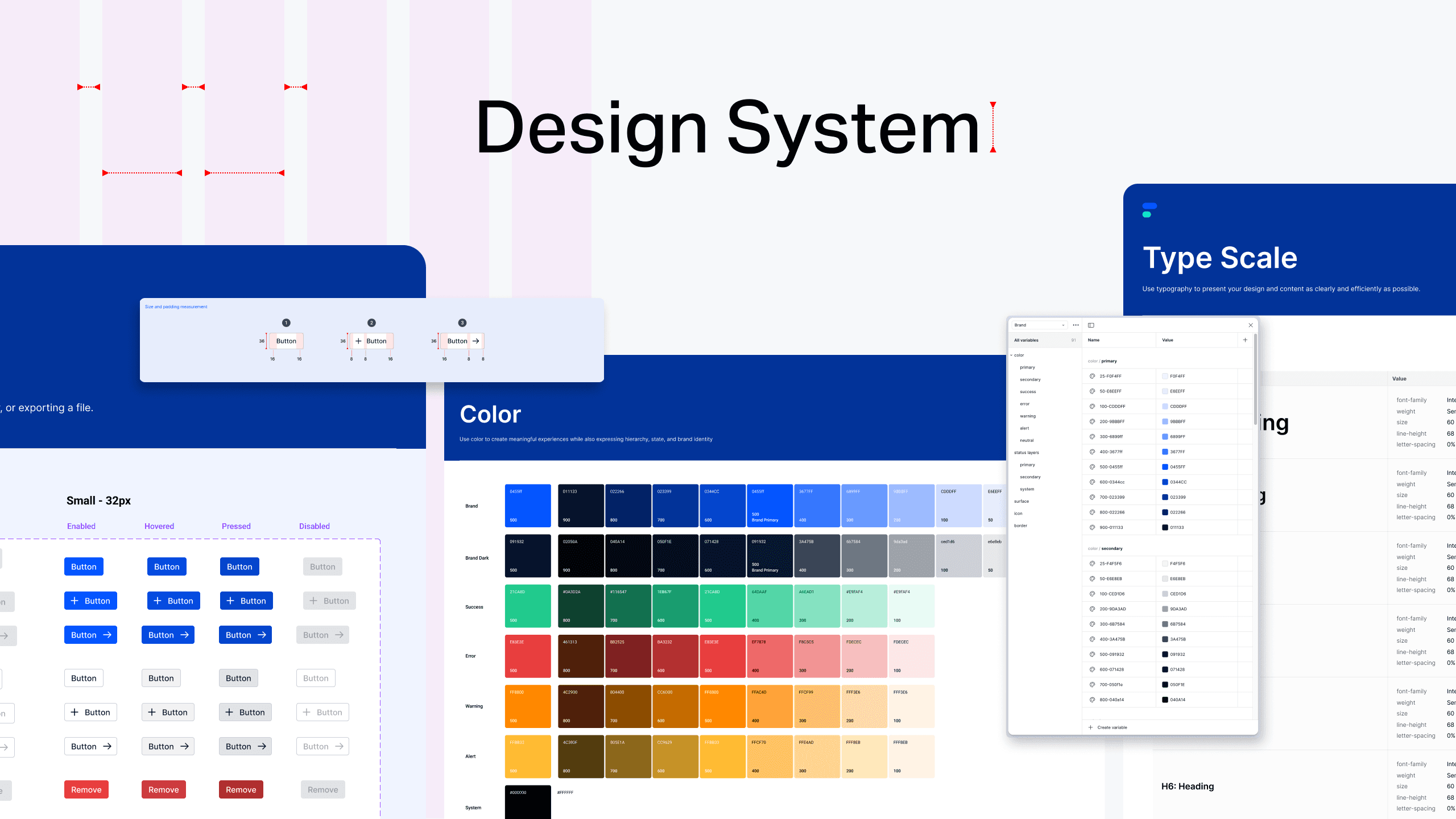
Building a scalable design system for Contract Procurement Platform. Feel free to try the prototype in Figma
Building a scalable design system for Contract Procurement Platform. Feel free to try the prototype in Figma
COMPANY
ZUUM APP
ZUUM APP
ROLE
Product Designer
Product Designer
TOOLS
Figma
Figma
YEAR
2 months
2 months
KEY RESULT
This helped the team launch the Contract Pro MVP in under 7 months. Designers and developers could reuse components instead of rebuilding from scratch, which reduced inconsistencies, improved collaboration, and minimized QA back-and-forth. As the product scaled, new features were easier to add on top of a solid, flexible foundation without disrupting the experience.
This helped the team launch the Contract Pro MVP in under 7 months. Designers and developers could reuse components instead of rebuilding from scratch, which reduced inconsistencies, improved collaboration, and minimized QA back-and-forth. As the product scaled, new features were easier to add on top of a solid, flexible foundation without disrupting the experience.
01
Overview
As part of building the Contract Procurement Platform, I led the effort to establish a design system that could support a growing product and team. The goal was to create a shared foundation that connects design and development, making it easier to build consistent, scalable experiences across the platform.
As part of building the Contract Procurement Platform, I led the effort to establish a design system that could support a growing product and team. The goal was to create a shared foundation that connects design and development, making it easier to build consistent, scalable experiences across the platform.
02
Challenge
When I joined, designers and developers were often rebuilding UI elements from scratch. There wasn’t a clear system in place, which slowed down the team and led to inconsistencies across different parts of the product. As the platform expanded, it became harder to maintain alignment and move efficiently.
When I joined, designers and developers were often rebuilding UI elements from scratch. There wasn’t a clear system in place, which slowed down the team and led to inconsistencies across different parts of the product. As the platform expanded, it became harder to maintain alignment and move efficiently.
03
Objective
I wanted to create a design system that was simple, practical, and easy for the team to adopt. The focus was on building a single source of truth that could bring consistency to the UI, while also helping both designers and developers work more efficiently.
I wanted to create a design system that was simple, practical, and easy for the team to adopt. The focus was on building a single source of truth that could bring consistency to the UI, while also helping both designers and developers work more efficiently.
I wanted to create a design system that was simple, practical, and easy for the team to adopt. The focus was on building a single source of truth that could bring consistency to the UI, while also helping both designers and developers work more efficiently.
04
Result
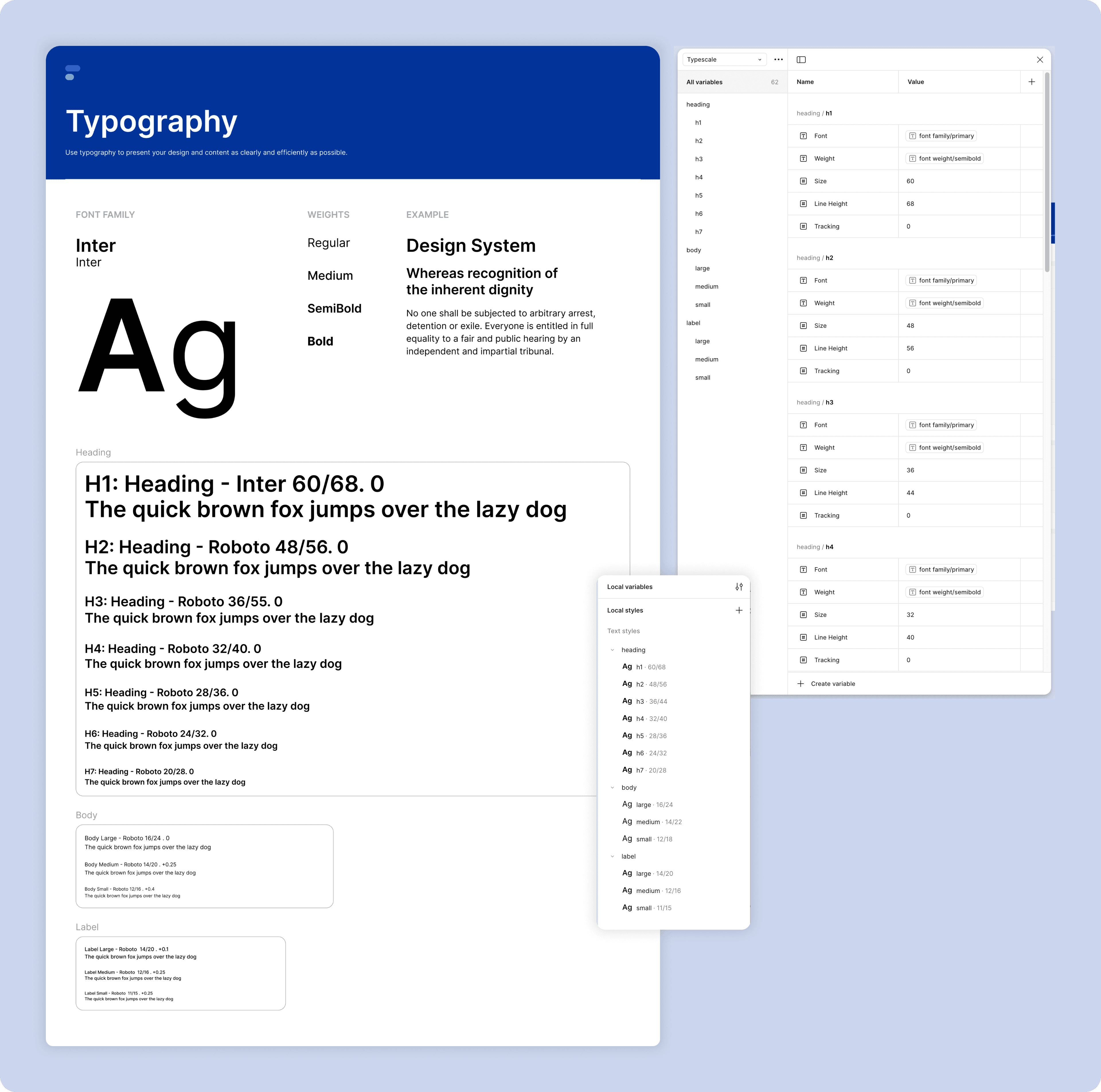
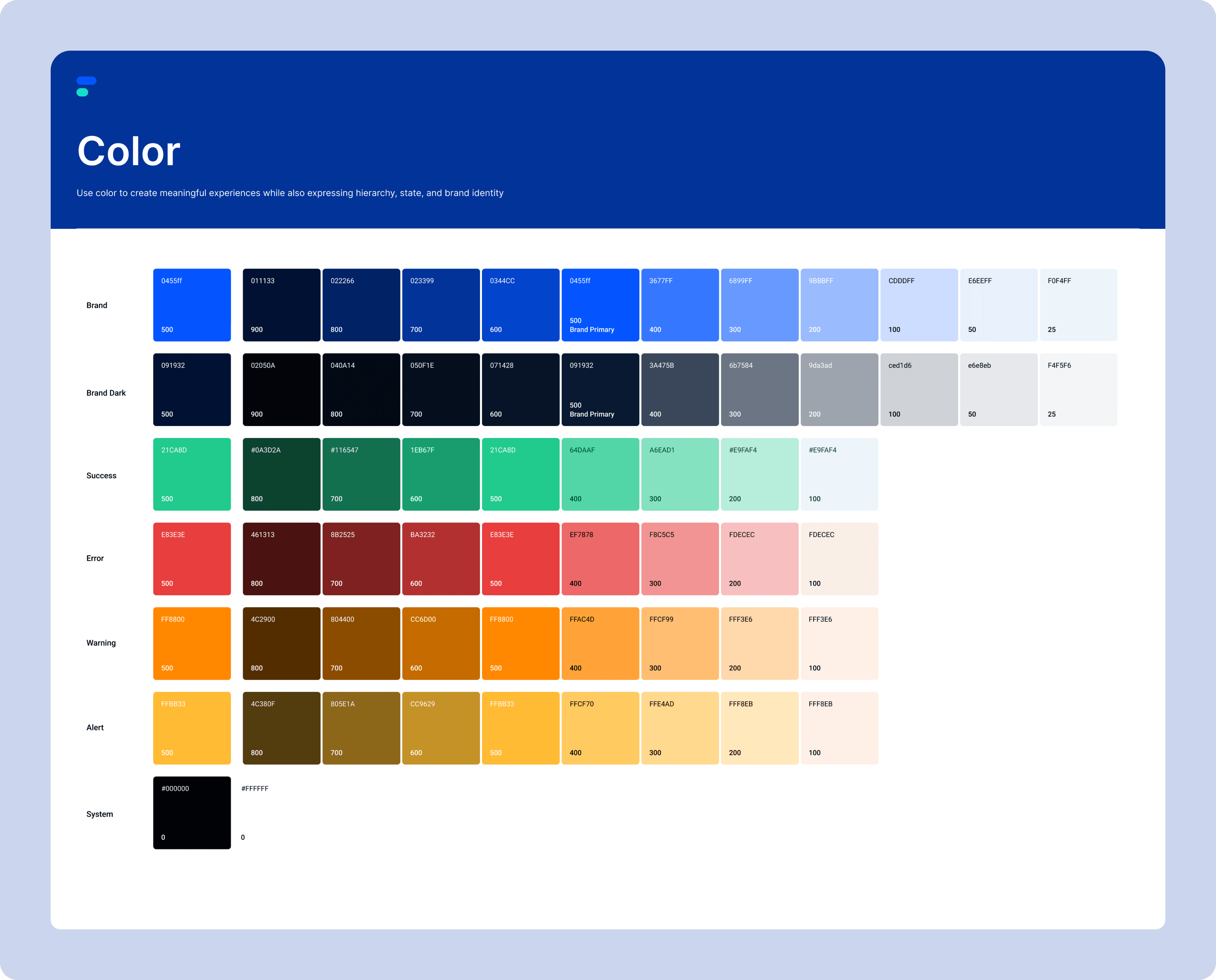
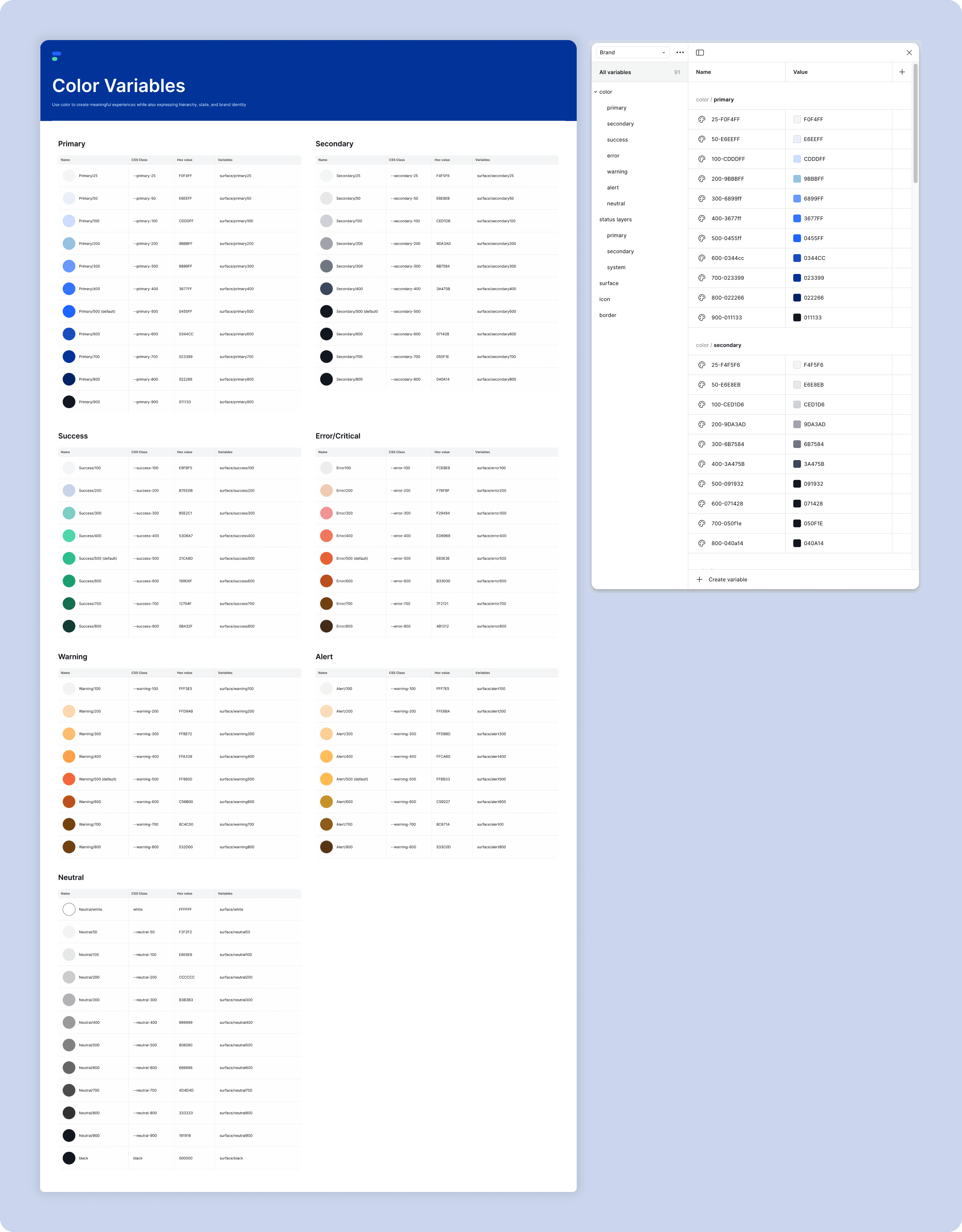
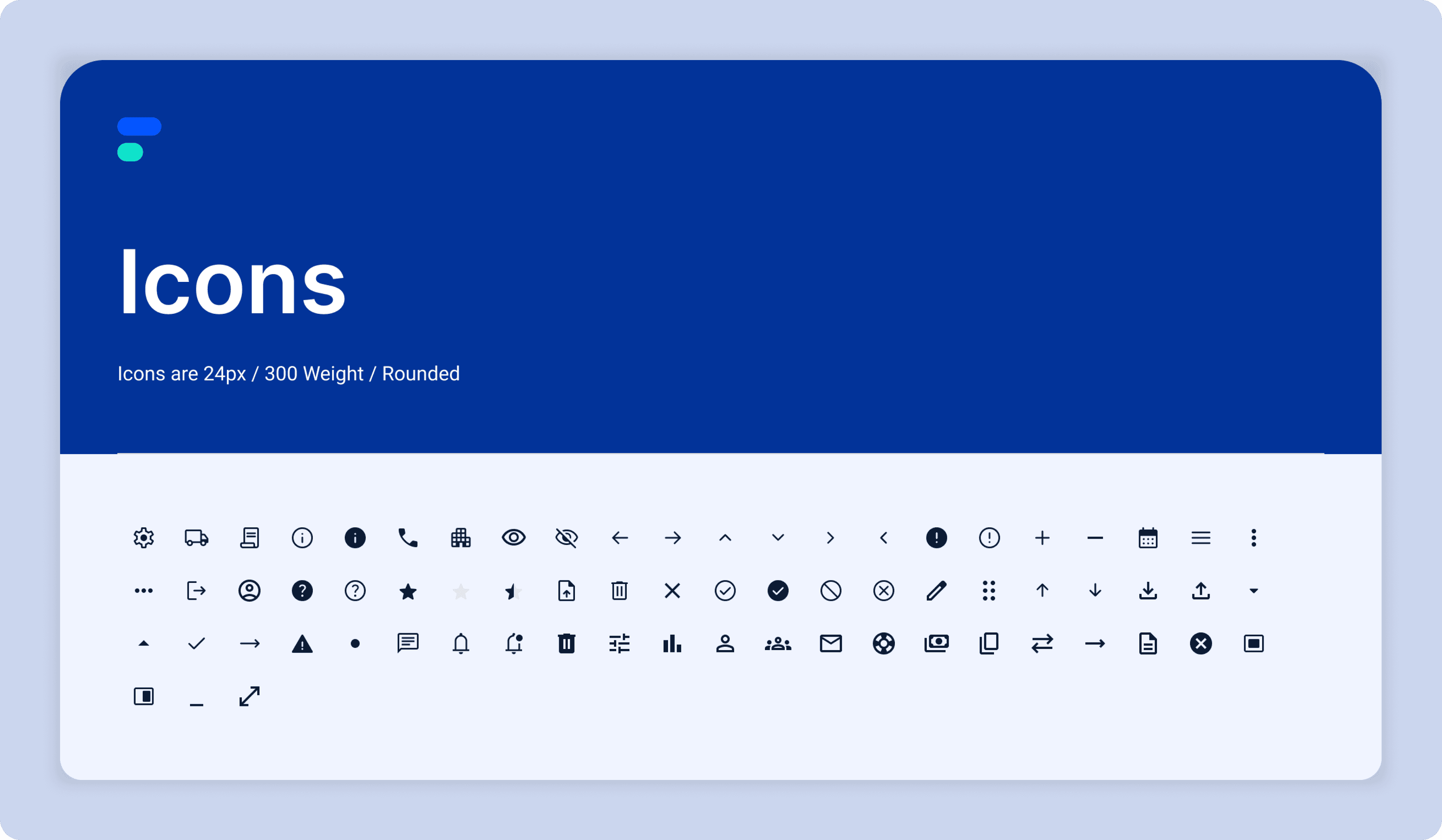
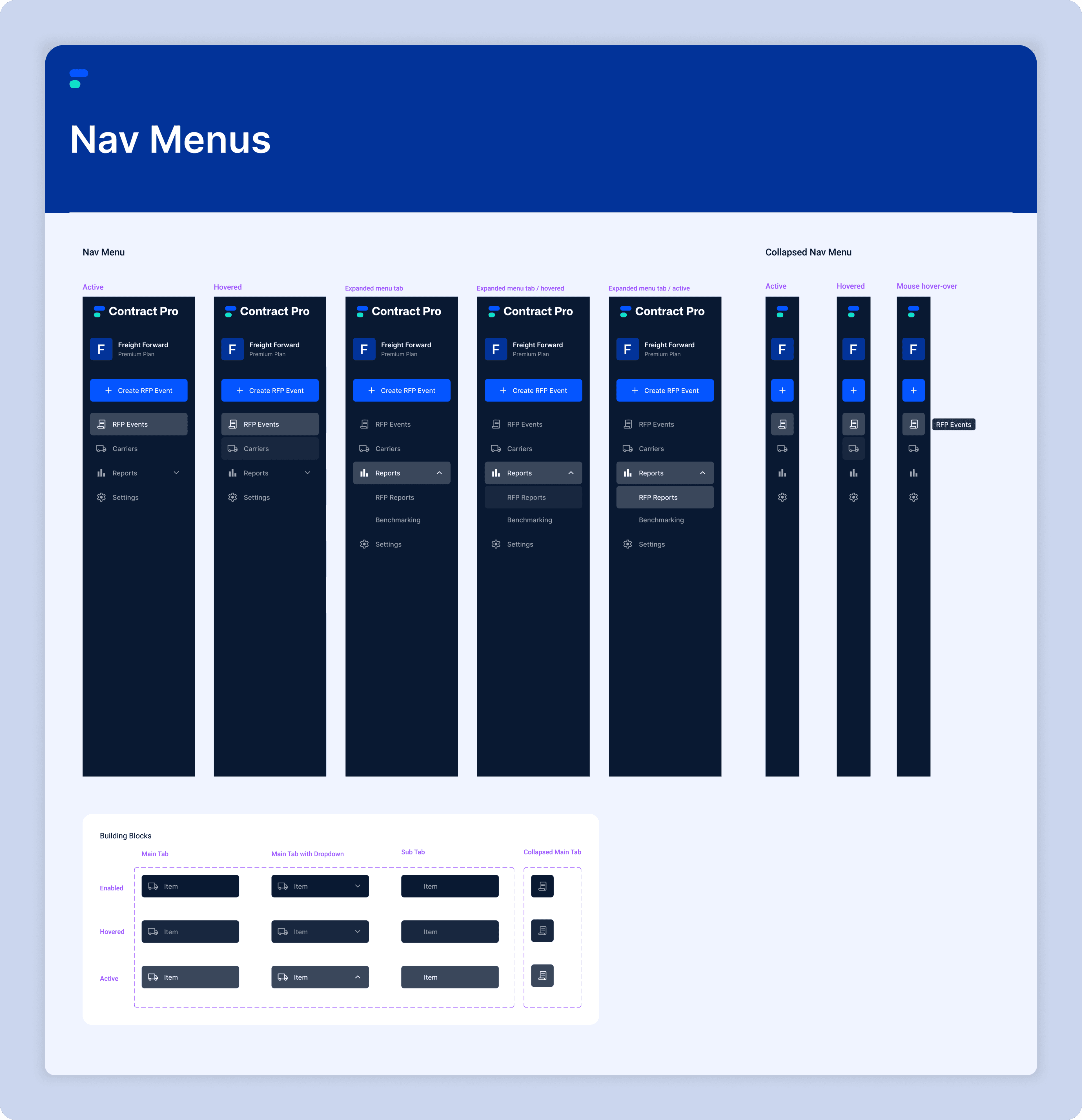
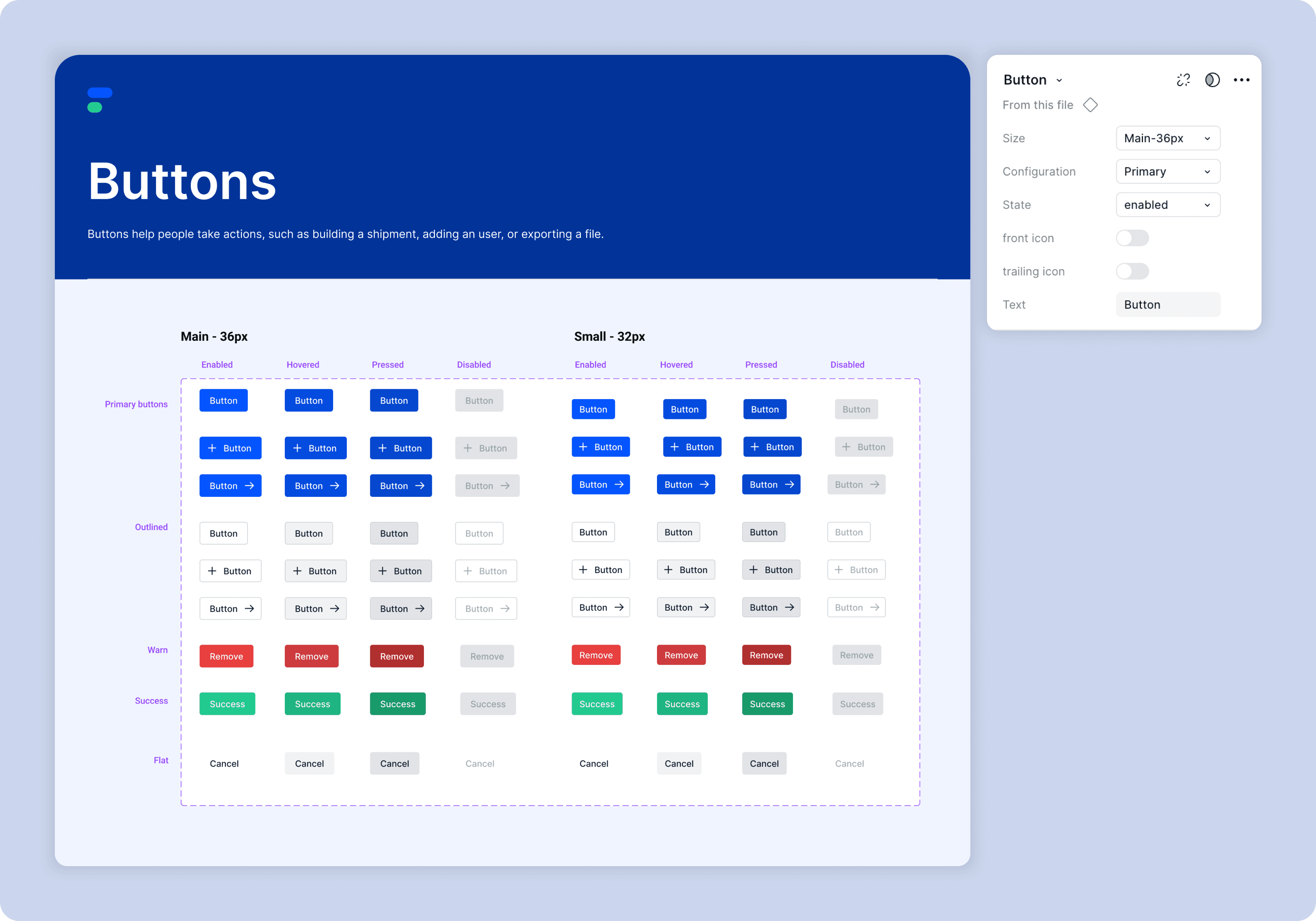
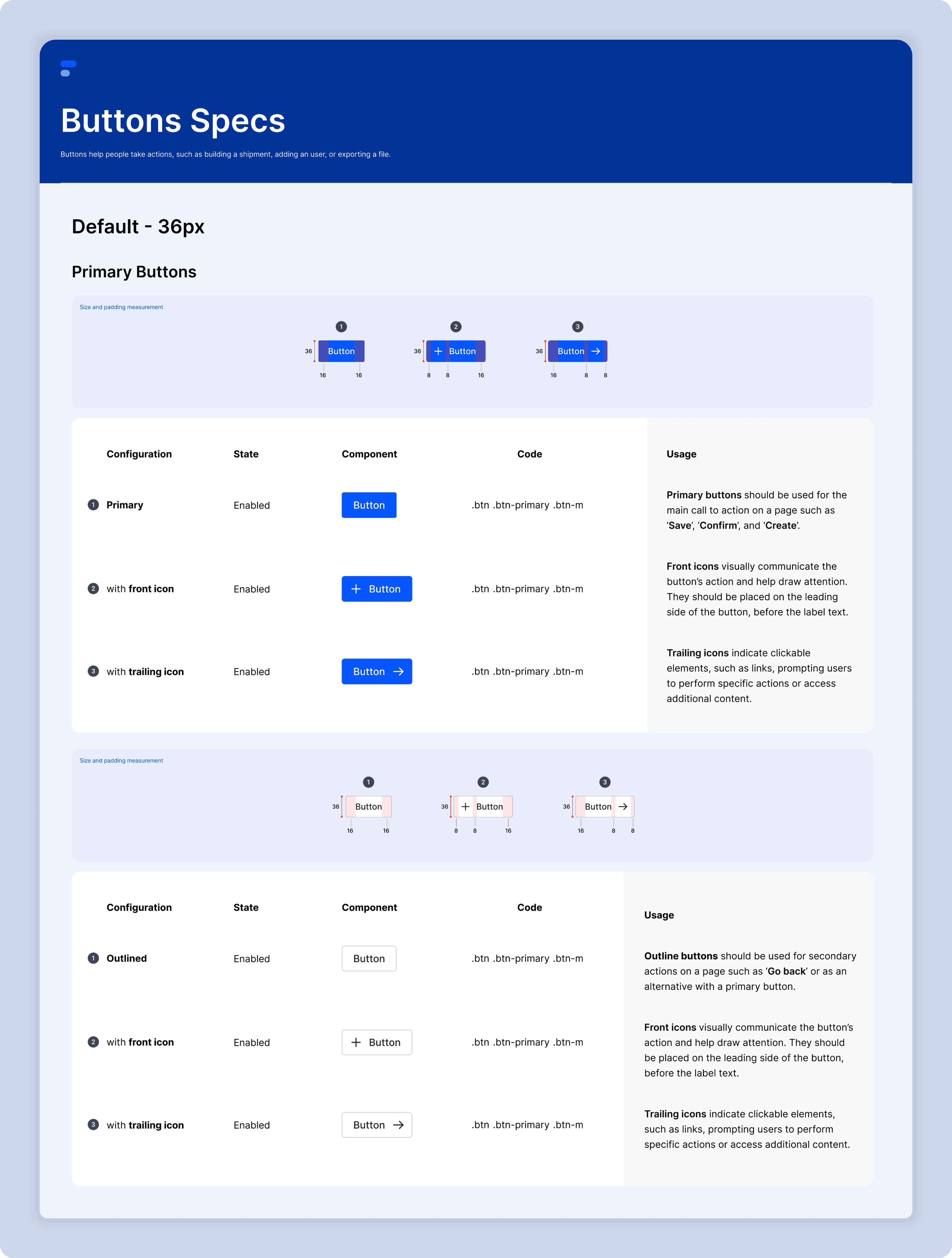
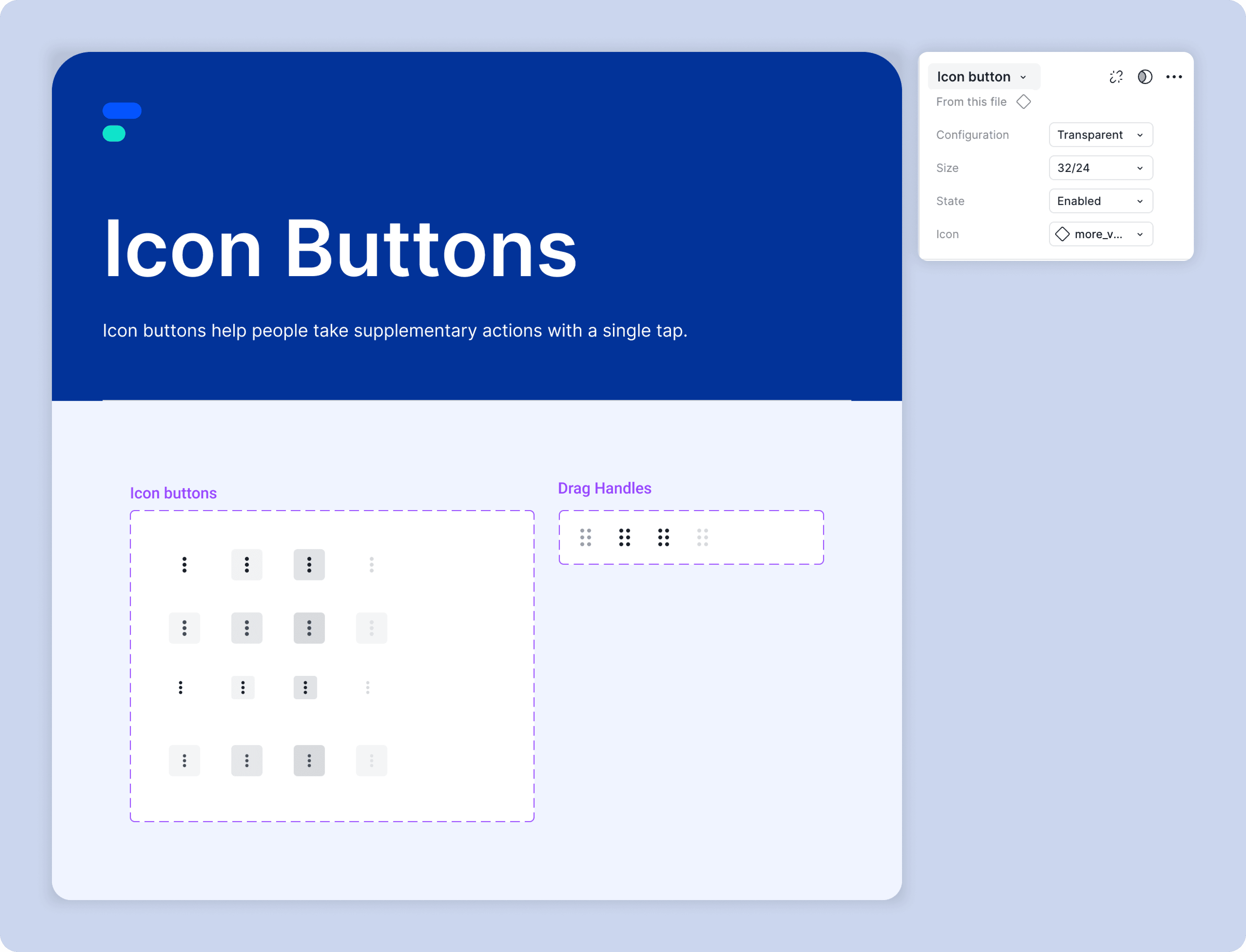
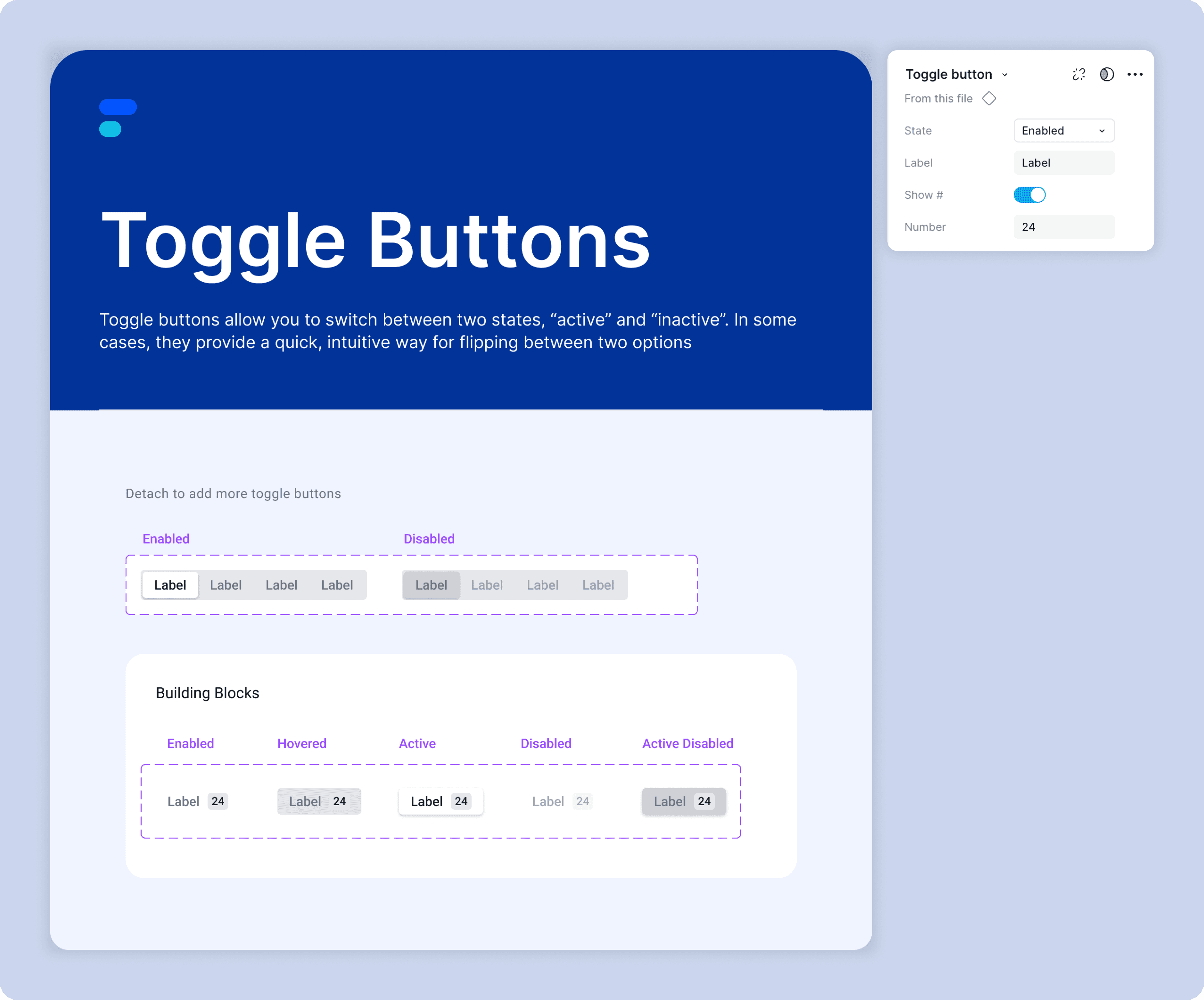
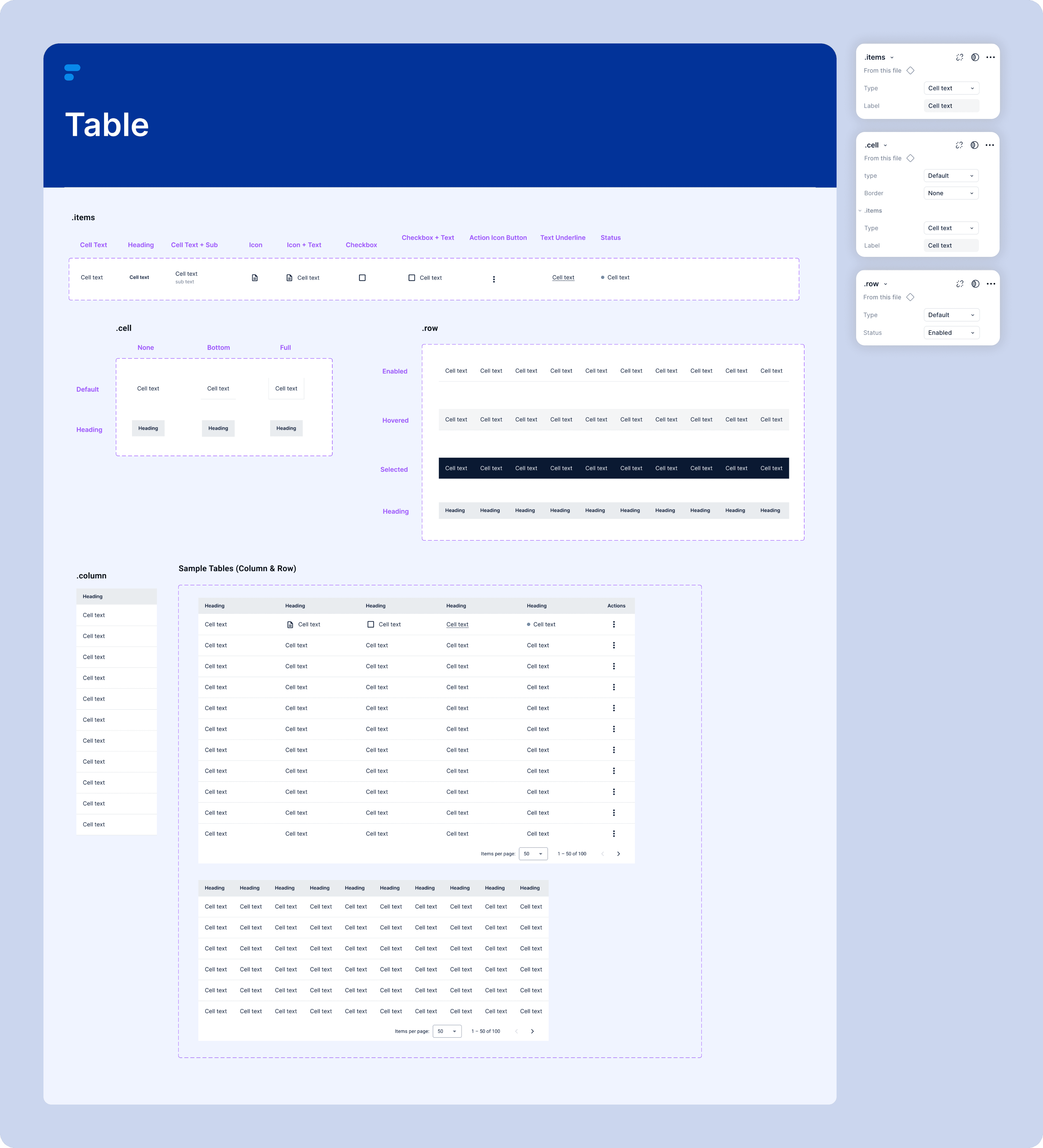
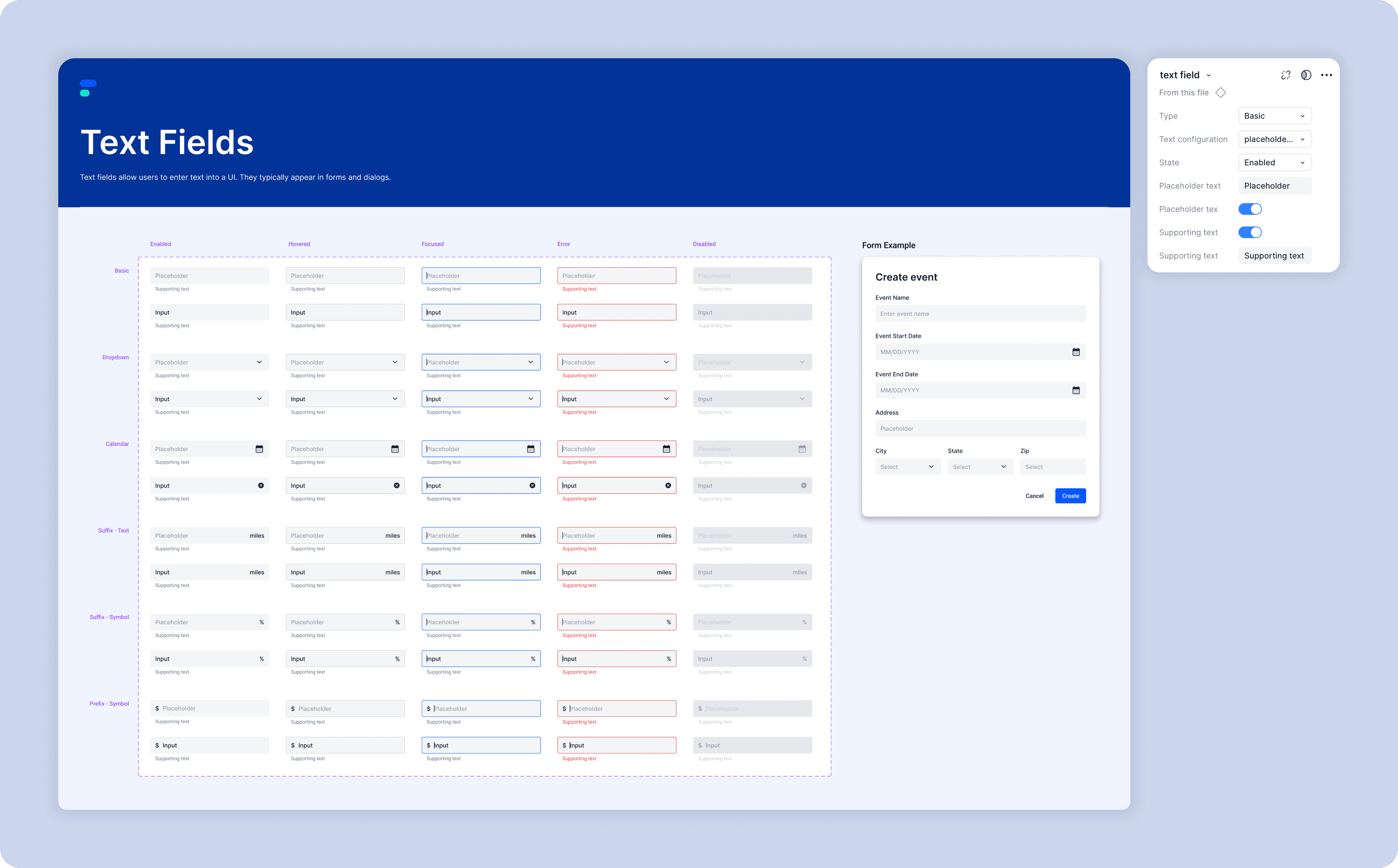
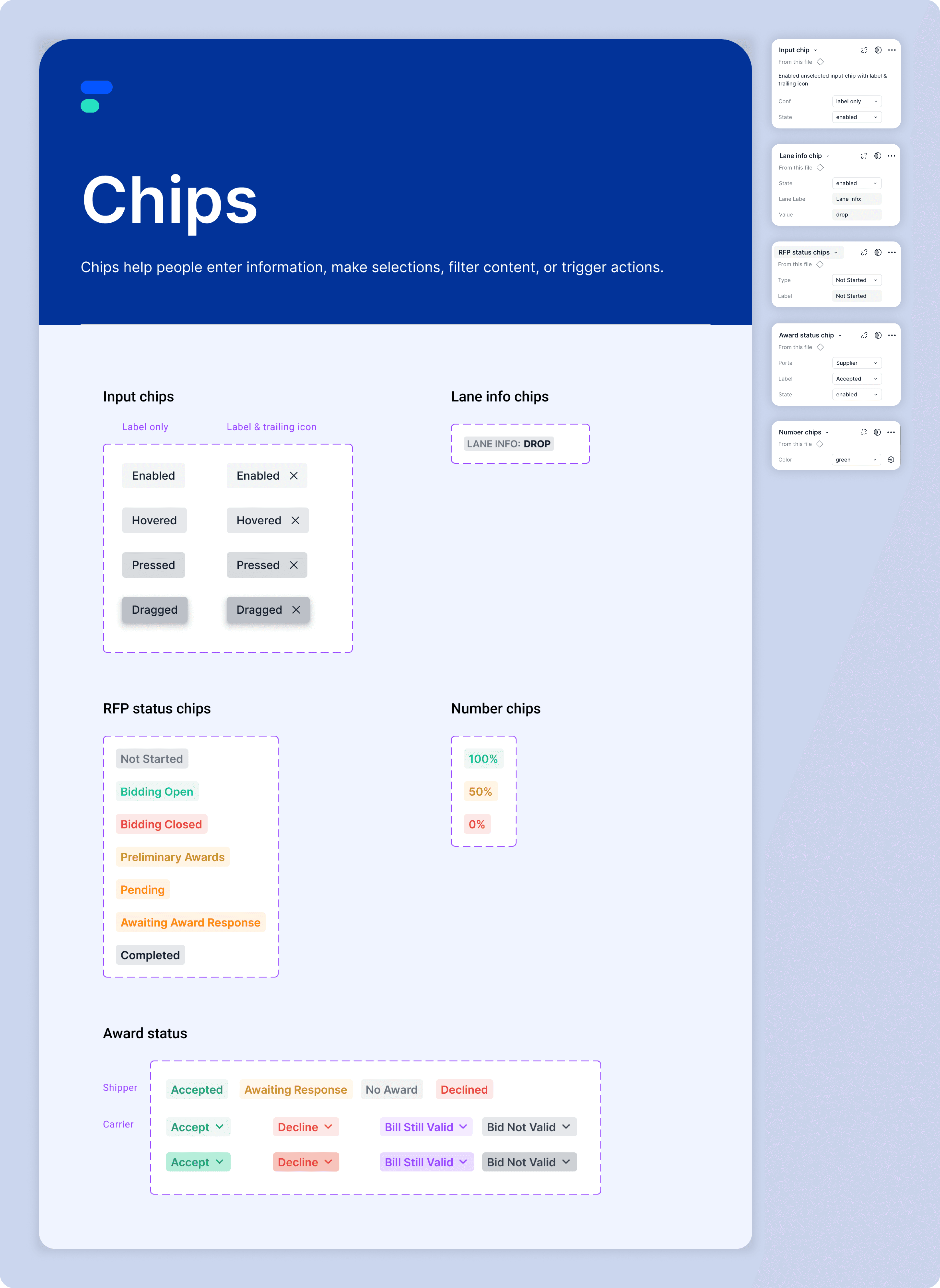
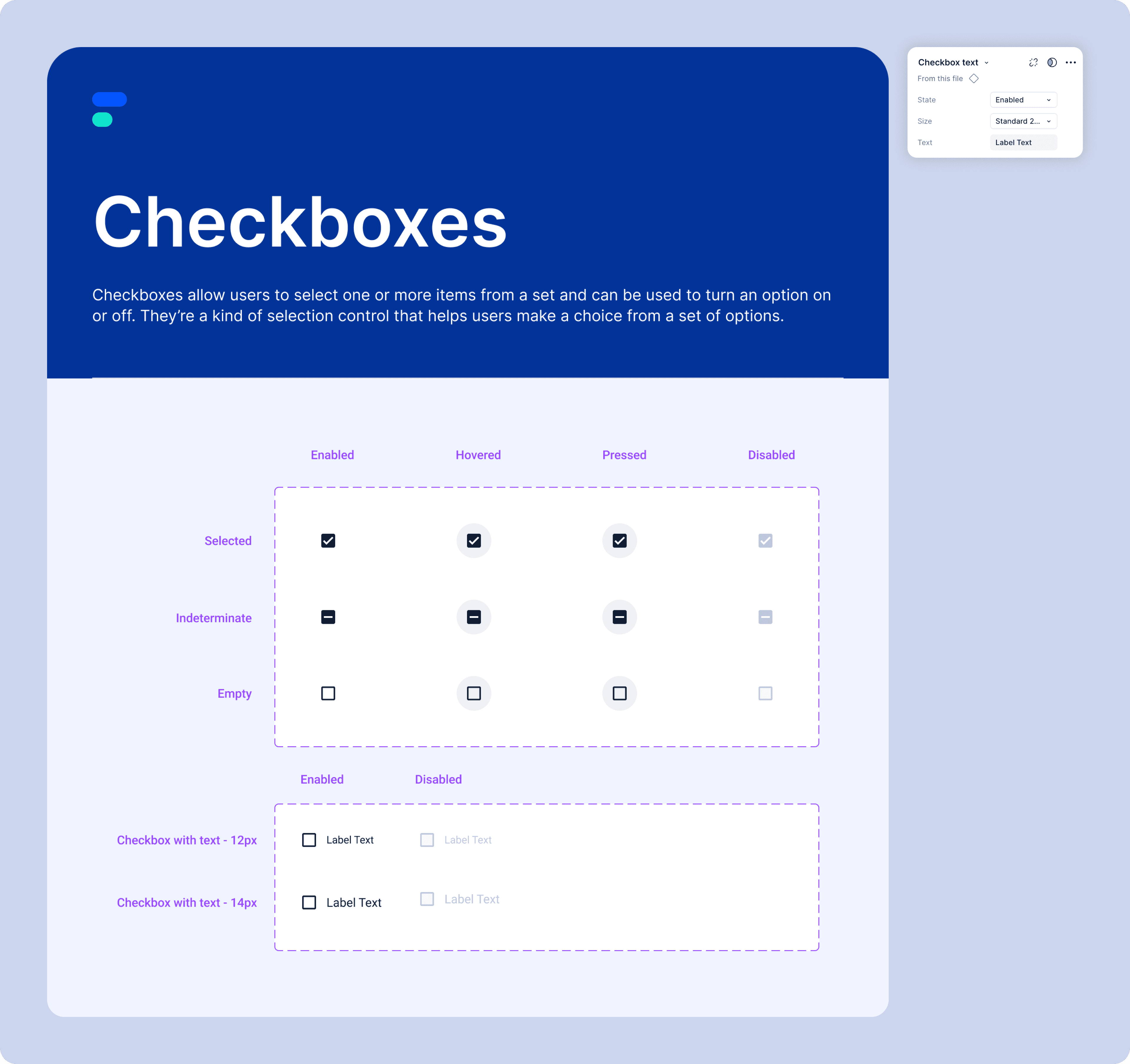
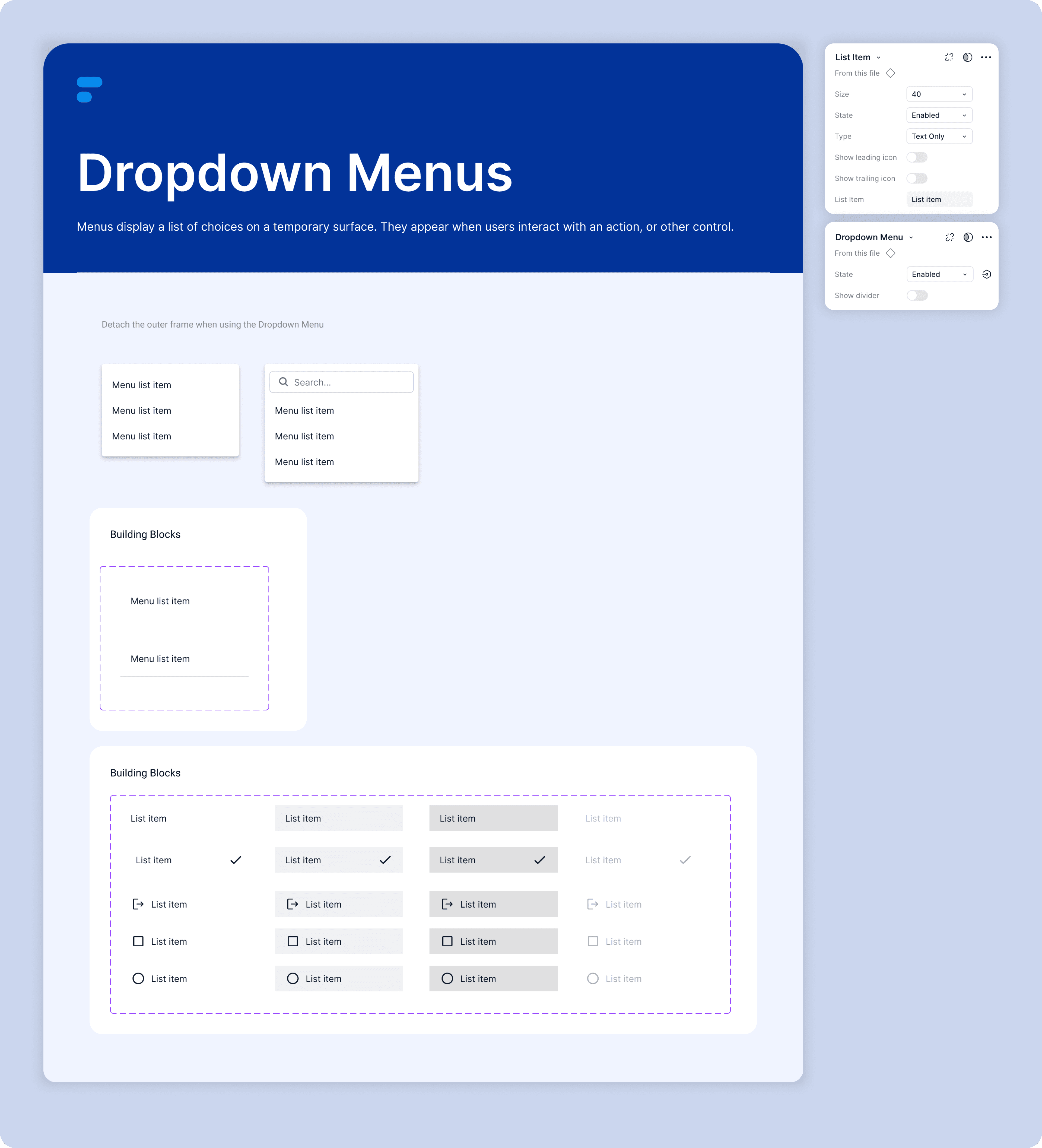
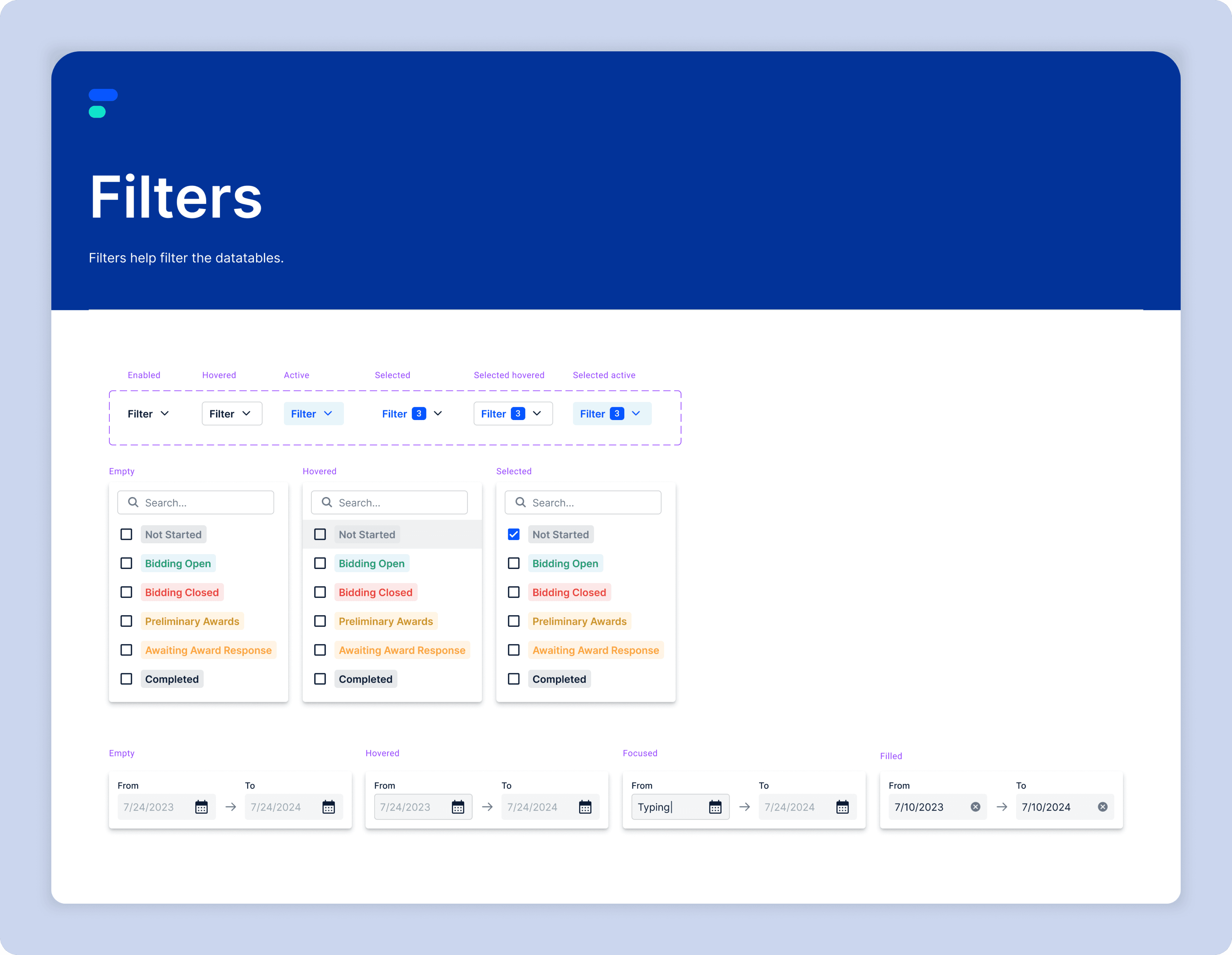
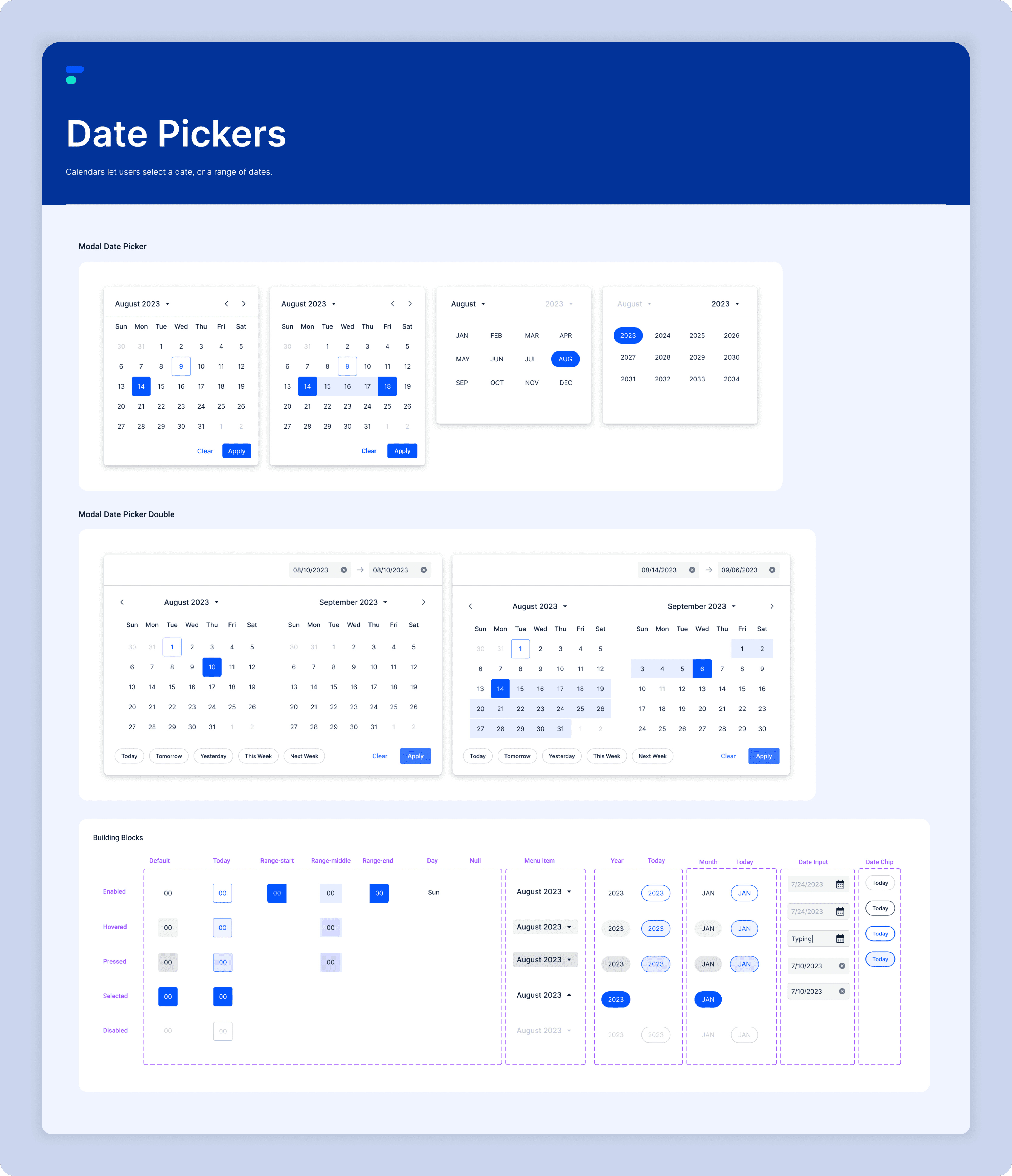
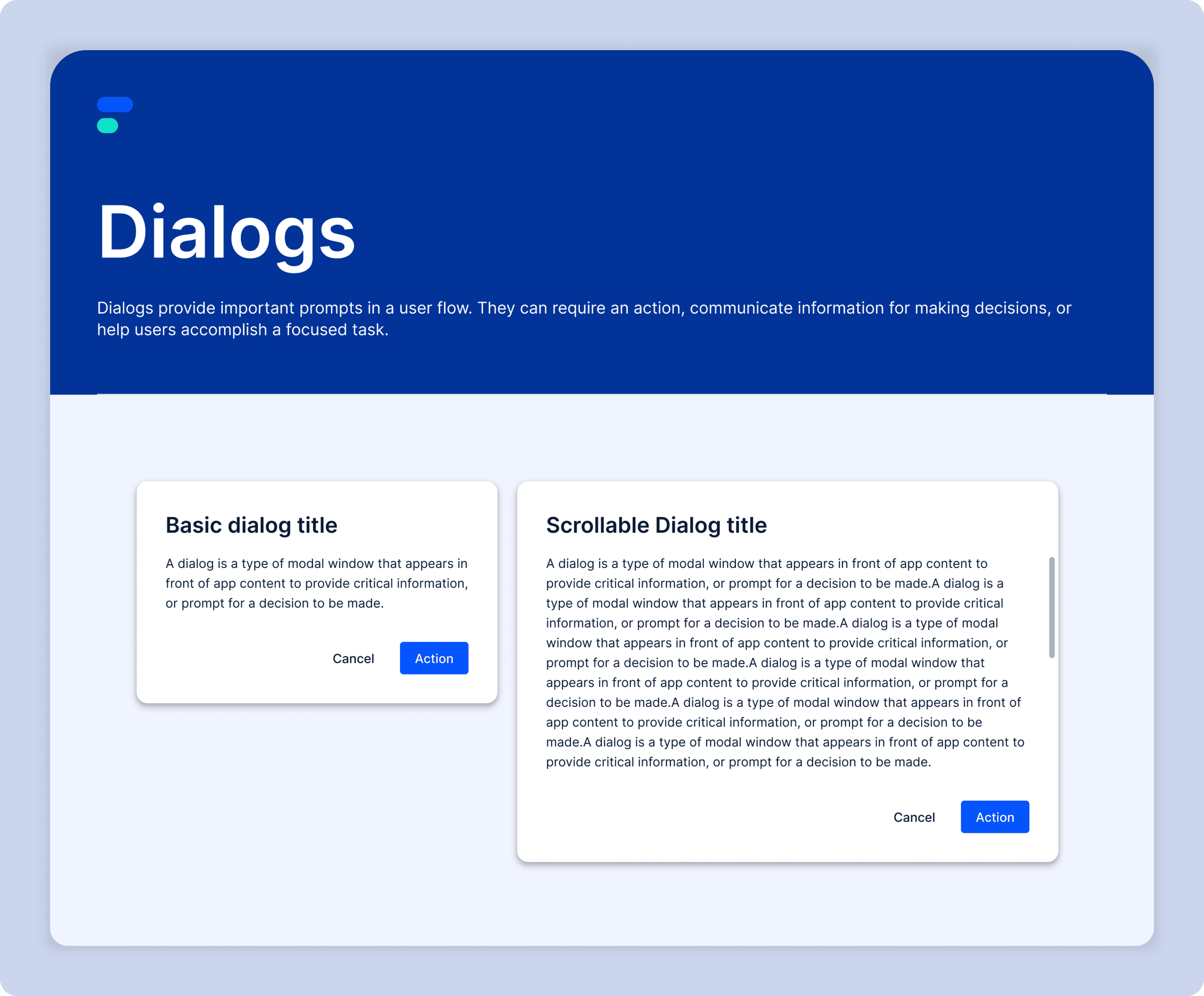
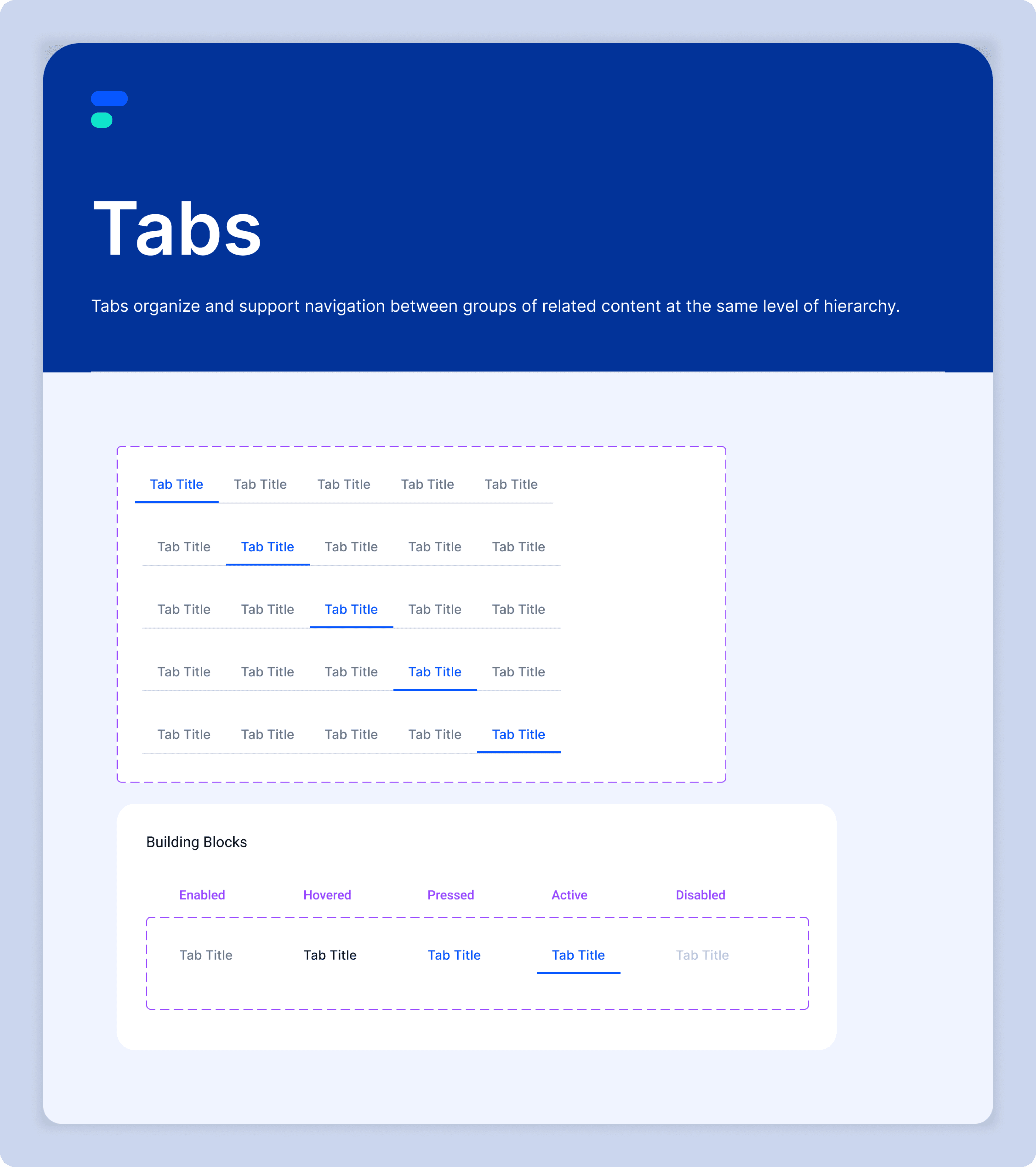
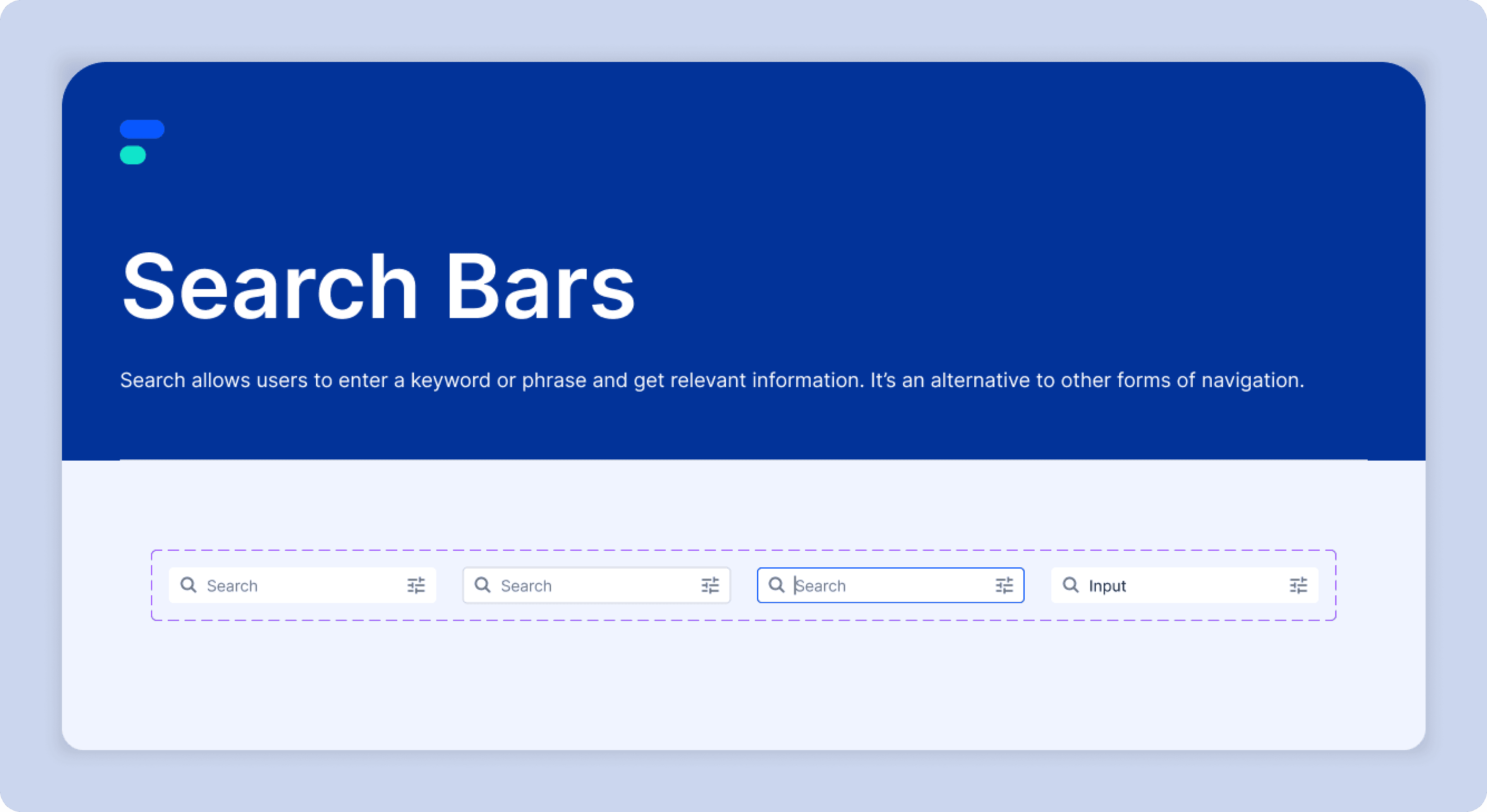
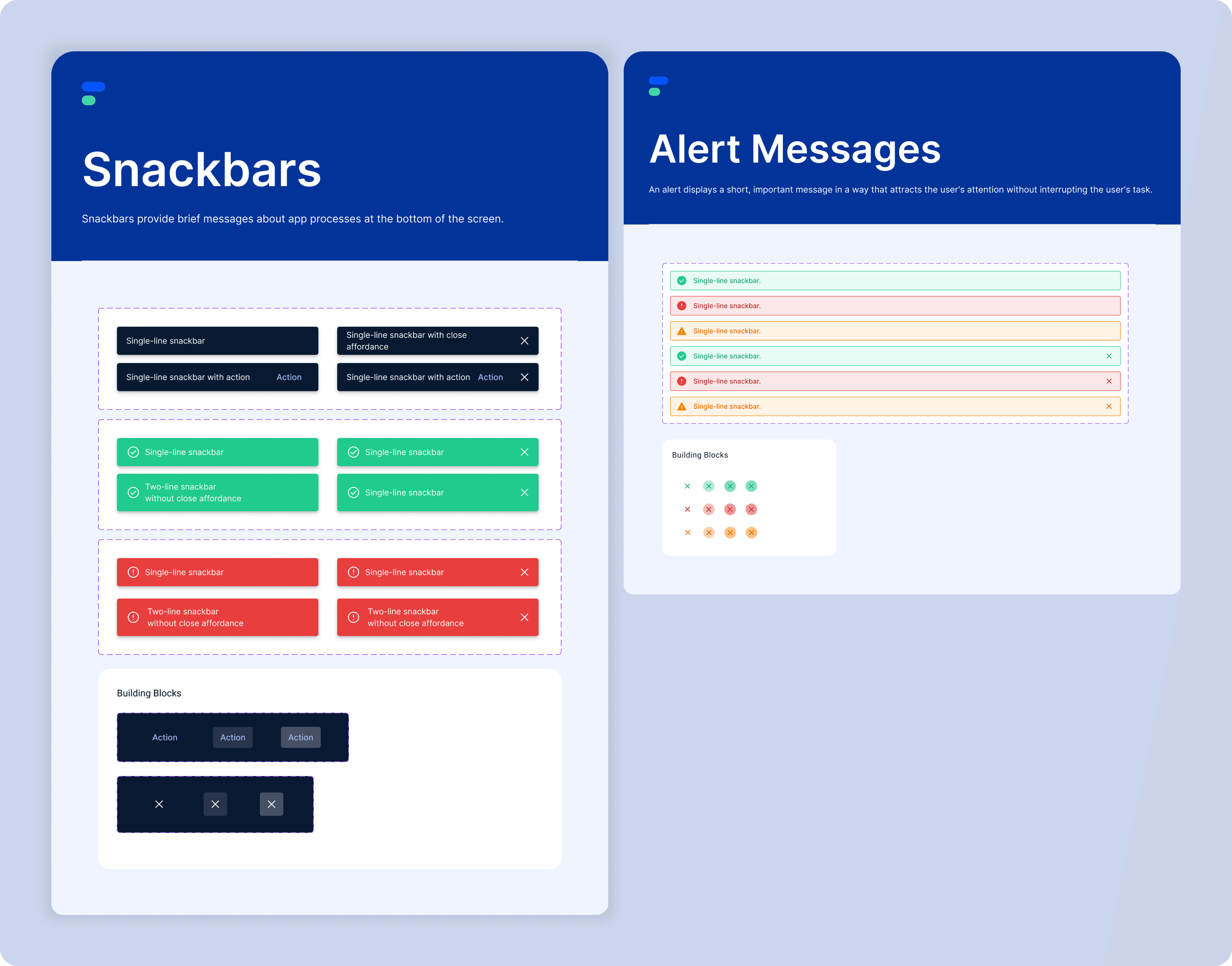
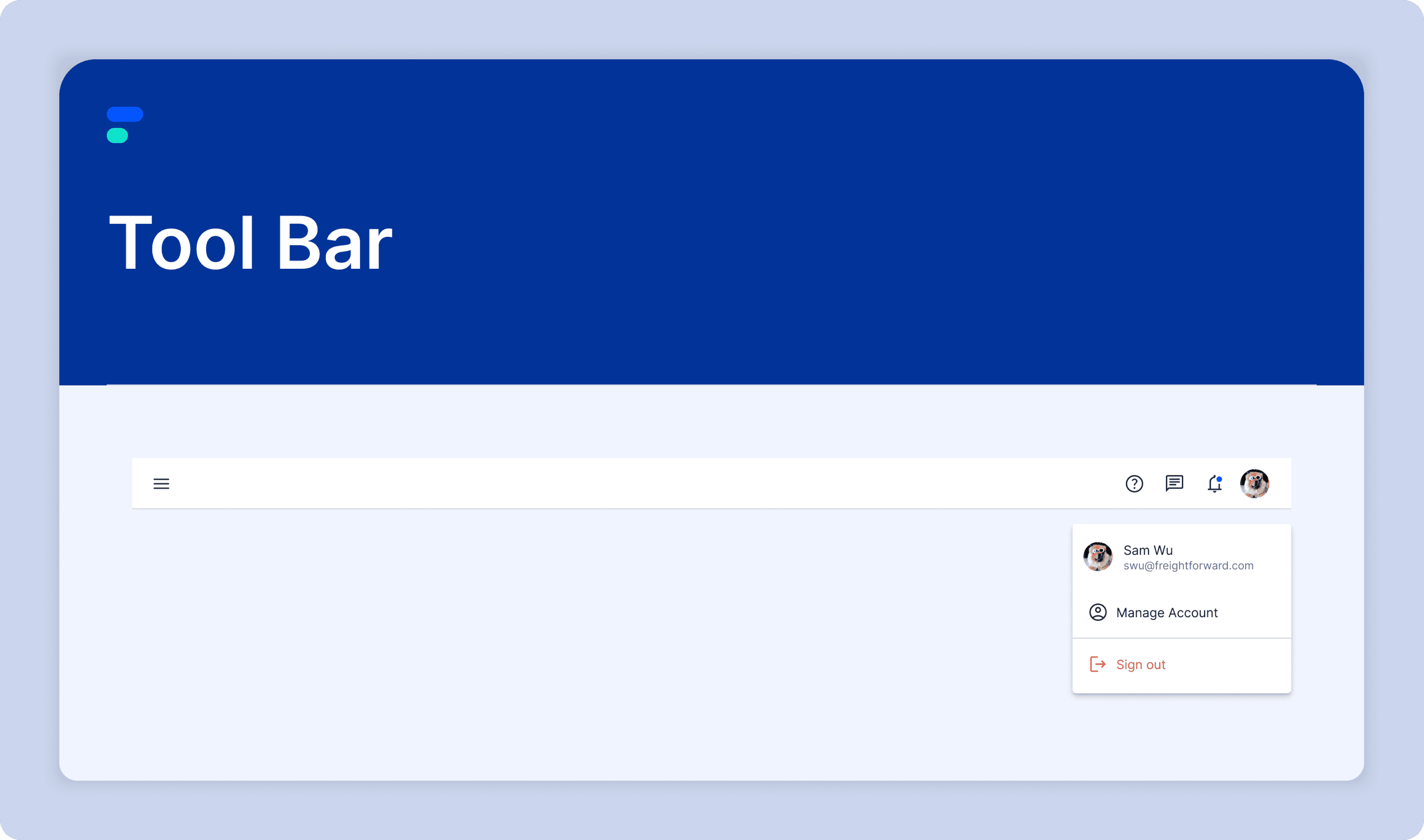
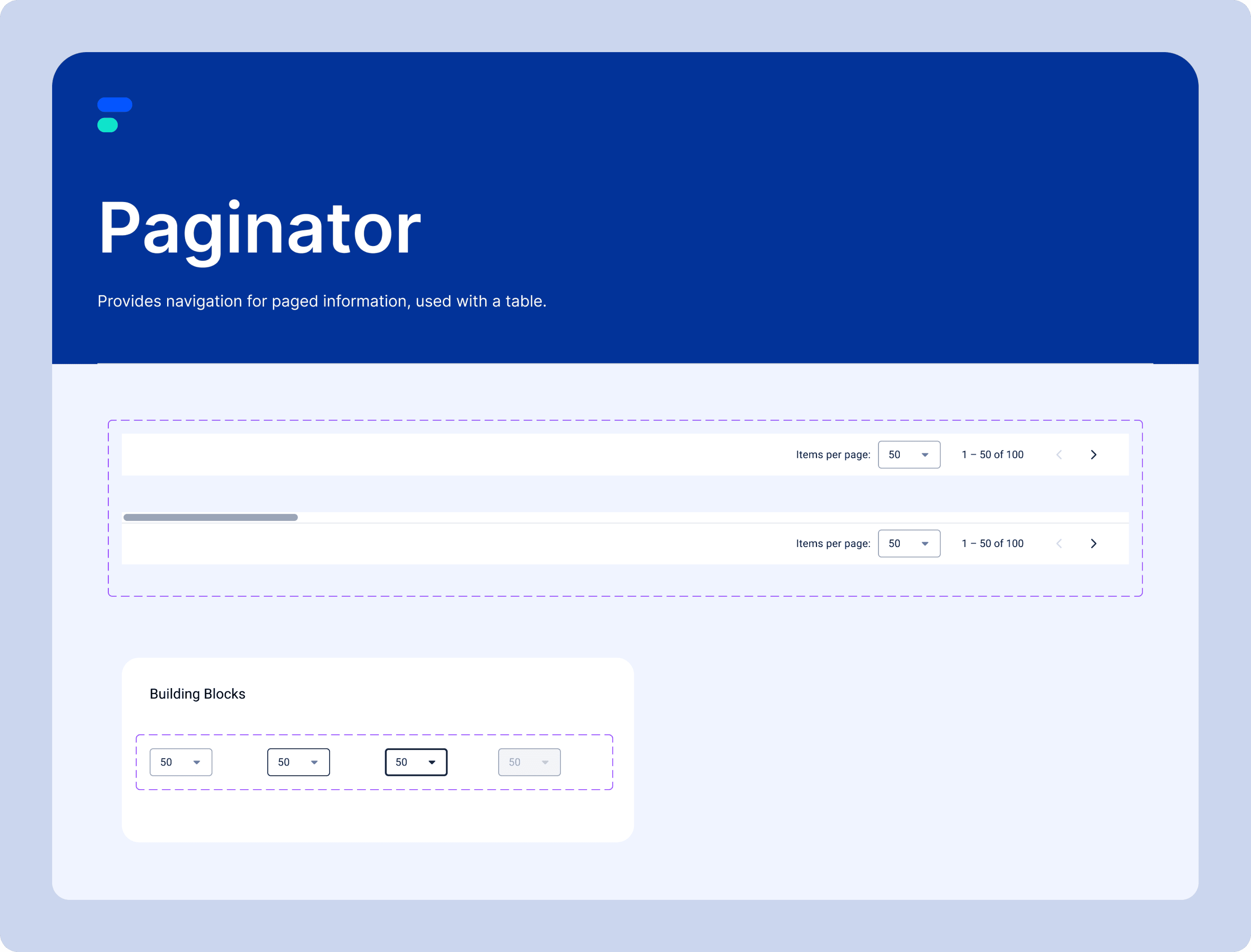
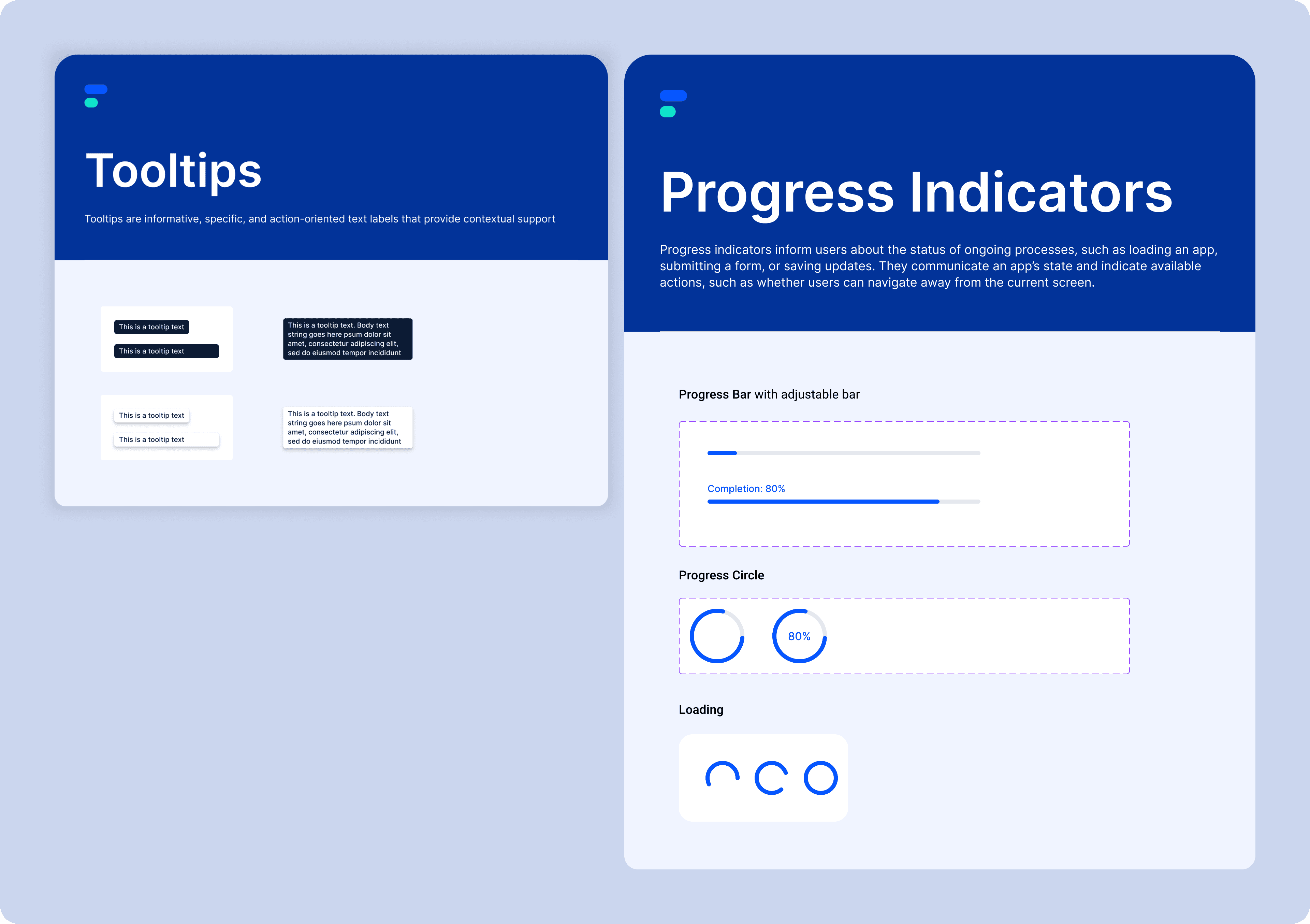
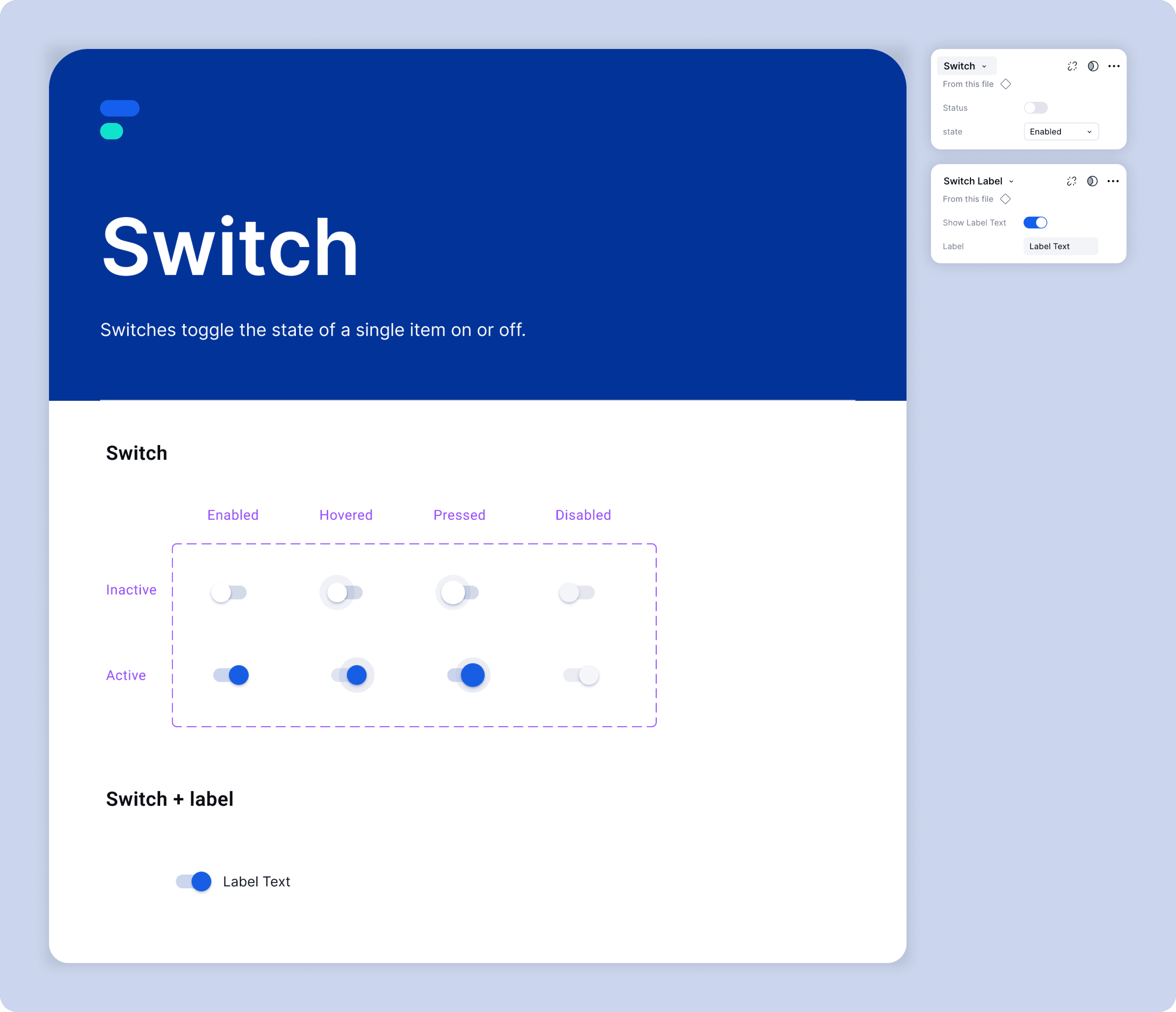
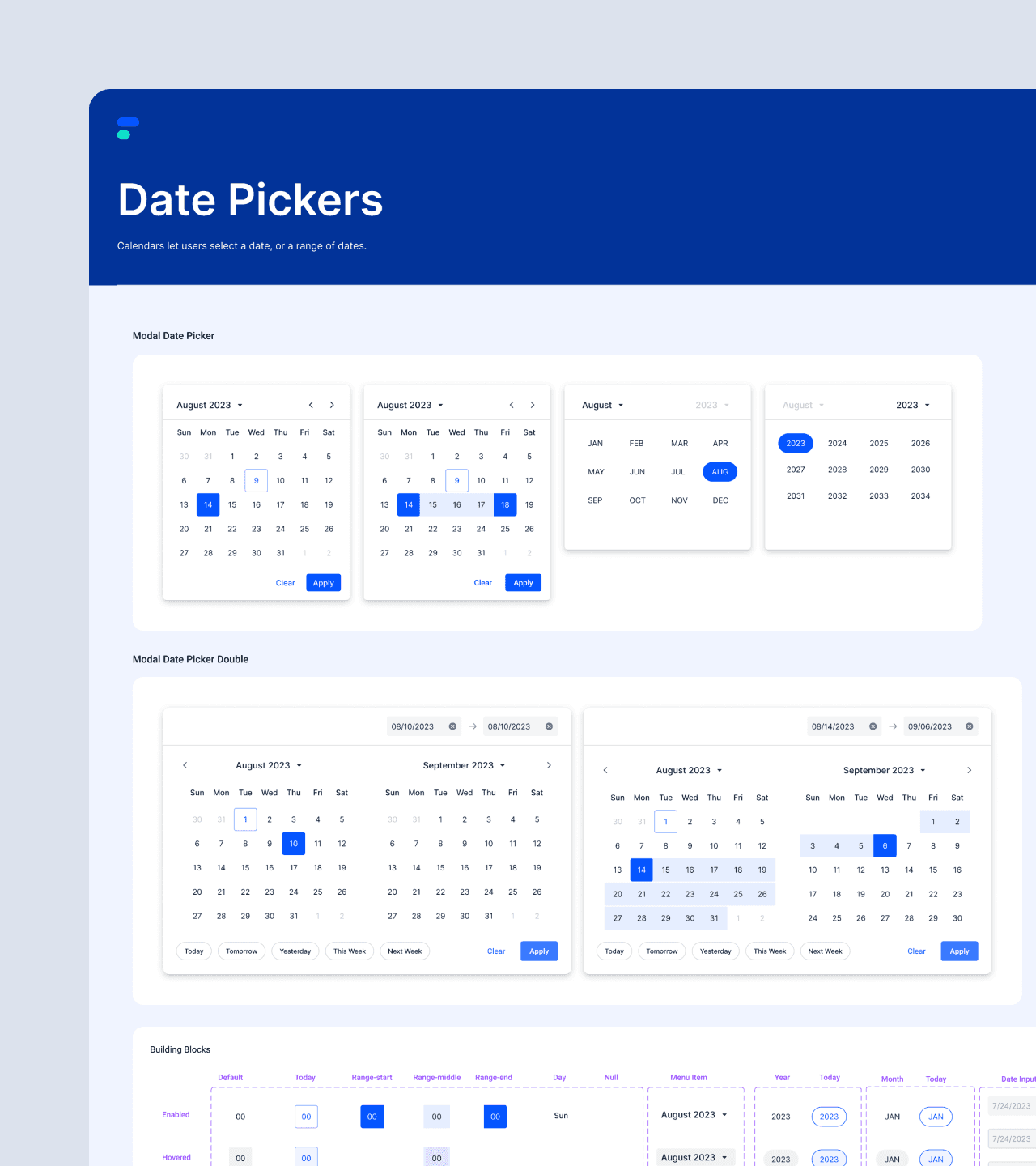
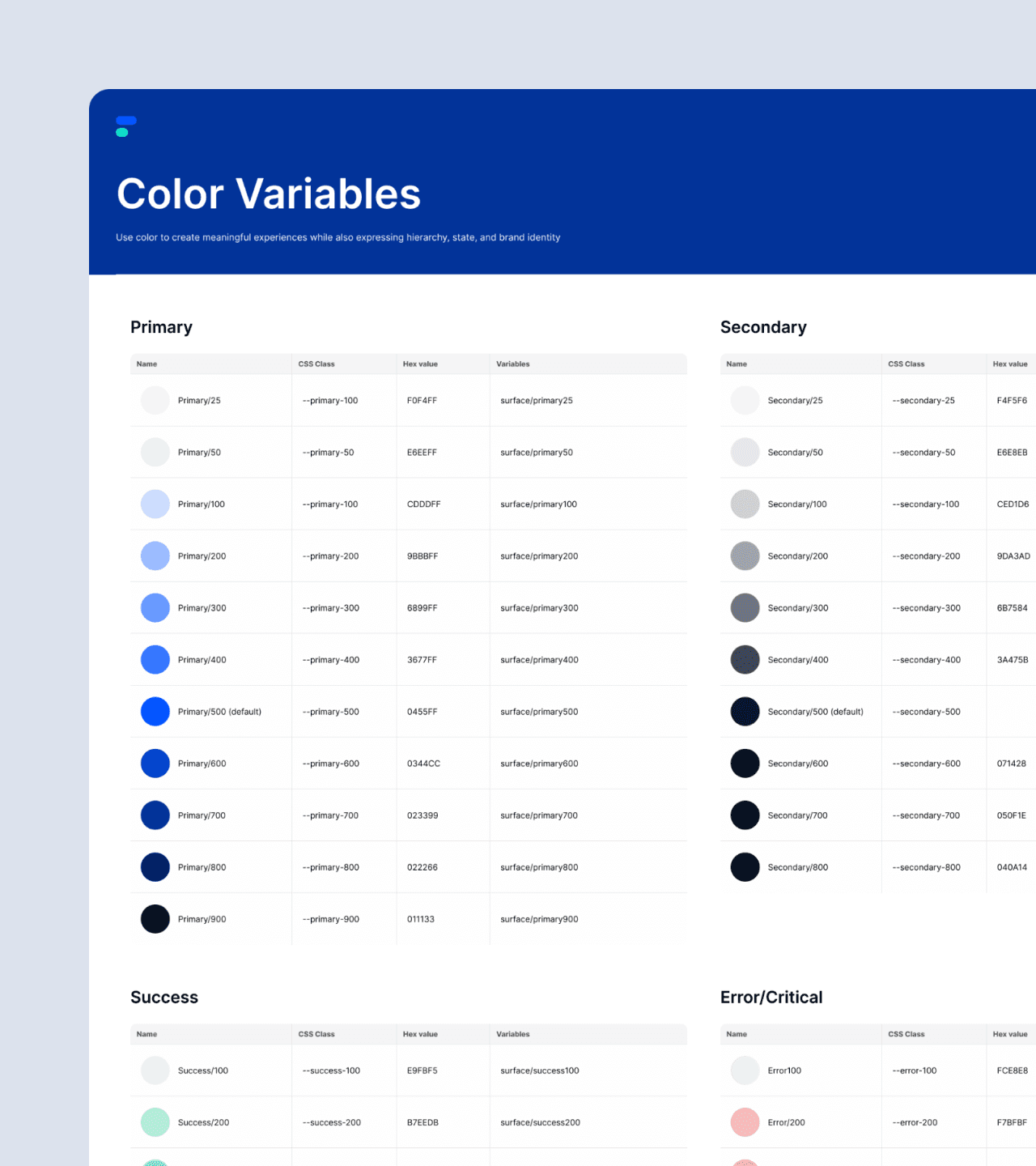
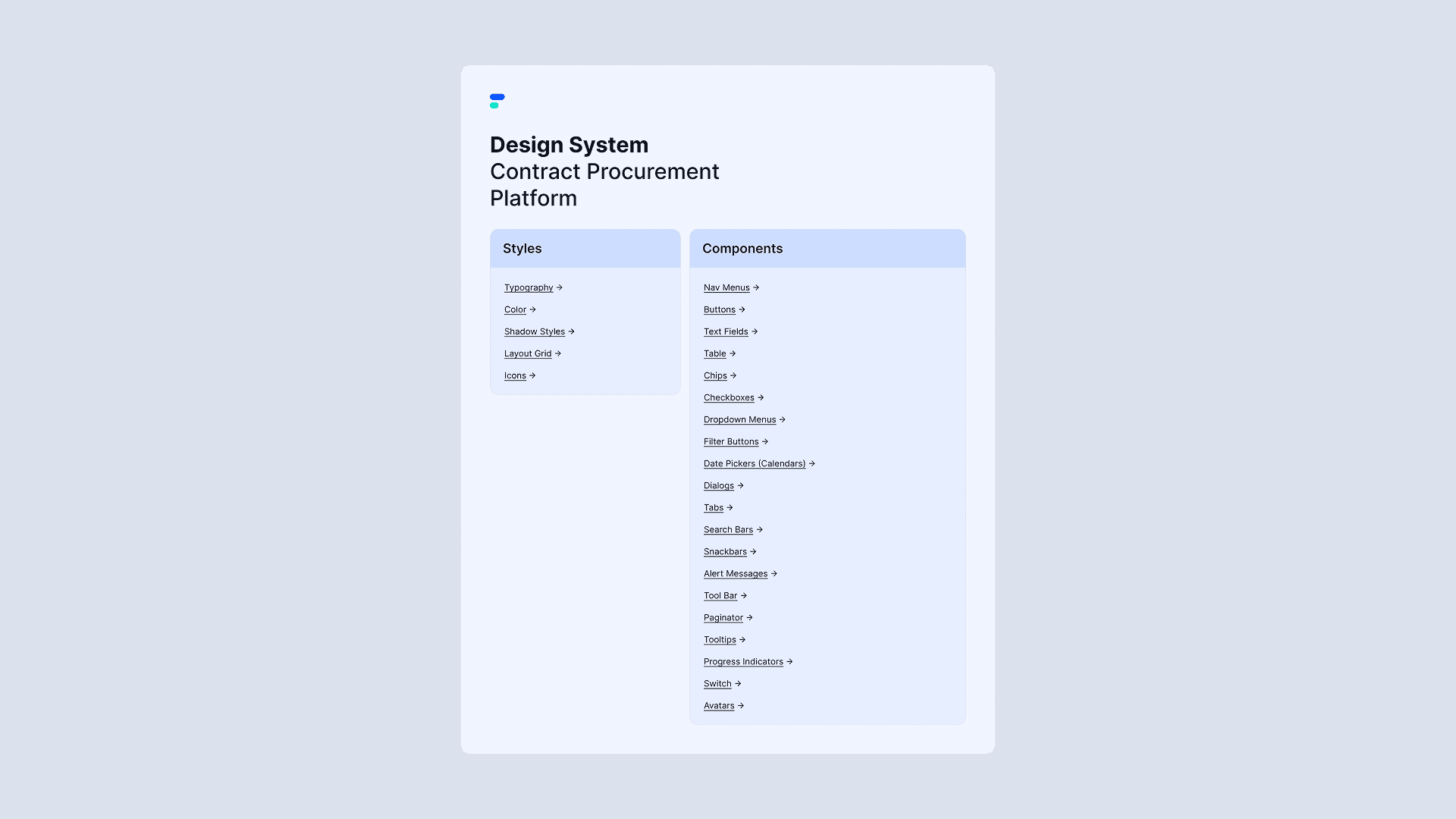
I buiilt a set of reusable components, guidelines, and patterns that the team could rely on in their daily work. This reduced repetitive design and development effort, improved consistency across the product, and made collaboration smoother between design and engineering. It also gave us a solid foundation to scale the product more confidently as new features were introduced.
I buiilt a set of reusable components, guidelines, and patterns that the team could rely on in their daily work. This reduced repetitive design and development effort, improved consistency across the product, and made collaboration smoother between design and engineering. It also gave us a solid foundation to scale the product more confidently as new features were introduced.
I buiilt a set of reusable components, guidelines, and patterns that the team could rely on in their daily work. This reduced repetitive design and development effort, improved consistency across the product, and made collaboration smoother between design and engineering. It also gave us a solid foundation to scale the product more confidently as new features were introduced.